Netflix’s The Scandal is more than Dangerous Liaisons dressed in hanbok. This spoiler-free guide explains the official premise, traces the story from a French novel through a 2003 Korean film, and asks what changes when desire and reputation enter Joseon’s gender and class order.
What Is Netflix’s The Scandal About?
The Scandal is a Joseon-set game of seduction in which private desire carries public consequences. Netflix’s official description introduces Lady Cho as a gifted, captivating woman constrained because she is female; Cho Won as a famous lover; and Hui-yeon as a widow who has resolved to remain chaste. A secret proposal draws the three into a dangerous contest.
Son Ye-jin plays Lady Cho, Ji Chang-wook plays Cho Won, and NANA plays Hui-yeon. Jung Ji-woo directs the series. Those credits and the basic character descriptions are confirmed by Netflix, rather than assembled from casting rumors.
Netflix currently labels the show as a 2026 title. As of August 1, however, its individual title page does not give a precise premiere date, episode count, or runtime. Articles and fan calendars may list a quarter or a specific date, but those details should remain provisional until Netflix publishes a title-specific announcement.
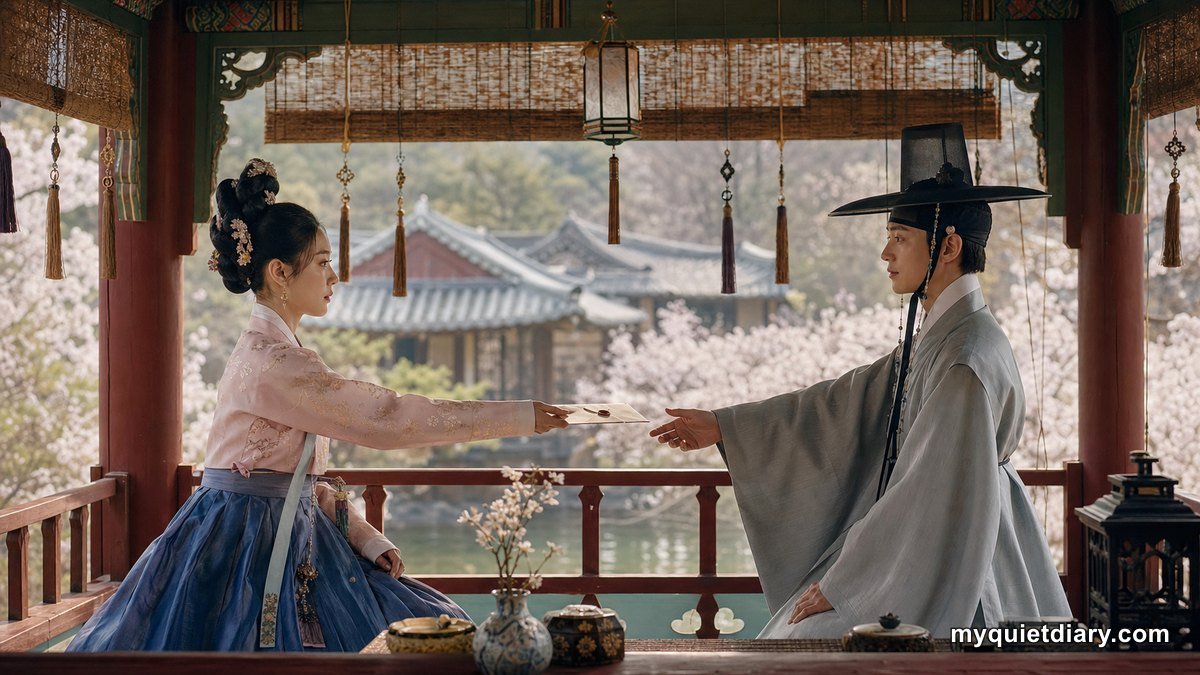
The Adaptation Family Tree: Laclos to Untold Scandal to Netflix
The easiest way to understand The Scandal is as the third point in an adaptation chain. The first is Pierre Choderlos de Laclos’s French epistolary novel Les Liaisons dangereuses. Its aristocrats turn letters, confidences, and seduction into instruments of status and revenge. Intimacy is never entirely private because every conquest can be converted into social power.
The second point is the 2003 Korean film Untold Scandal. Netflix explicitly says the new series is based on that film and describes the film as a Joseon reimagining of Laclos’s world. The upcoming drama therefore is not simply translating the French novel from page to screen. It is revisiting a story that Korean cinema has already relocated and interpreted.
That distinction changes the questions worth asking. A checklist of which French character matches which Korean character can be useful, but it is not the most interesting comparison. The deeper questions are what the series inherits from the Korean film, what a longer format allows it to expand, and whether Joseon society actively changes the characters’ choices rather than functioning as beautiful scenery.
There is also a useful caution here. An adaptation is not obligated to preserve every plot mechanism or moral conclusion of an earlier version. Until the series is released, detailed one-to-one claims about its characters and Laclos’s cast would be speculation.
What Changes When Dangerous Liaisons Enters Joseon?
Moving the story to Joseon gives reputation a different institutional weight. A sageuk is a Korean drama set in a historical period. In a good sageuk, clothing, architecture, titles, and rules of movement do more than establish an attractive look. They show who may enter a room, speak first, make a marriage, or survive a scandal.
Laclos’s aristocratic world already depends on rank and reputation. A Joseon setting adds a social order shaped by family position, gendered duties, marriage, and Confucian ideals. Seduction can therefore threaten more than an individual’s romantic happiness. It may touch a family name, future marriage prospects, inheritance, and a person’s place within a closely observed community.
This is where a cultural adaptation can become genuinely transformative. The same wager has different stakes when the participants do not possess equal freedom to desire. A privileged man may treat romance as sport while a woman faces consequences that alter the rest of her social life. The setting makes that imbalance visible before the plot even resolves it.
The series should not be treated as a documentary about every century and class of Joseon, of course. Netflix has confirmed the broad historical setting, not every legal or social rule that the screenplay will use. Historical drama compresses, stylizes, and invents. The most responsible reading is to examine how the show constructs its version of Joseon, then distinguish that construction from general history.
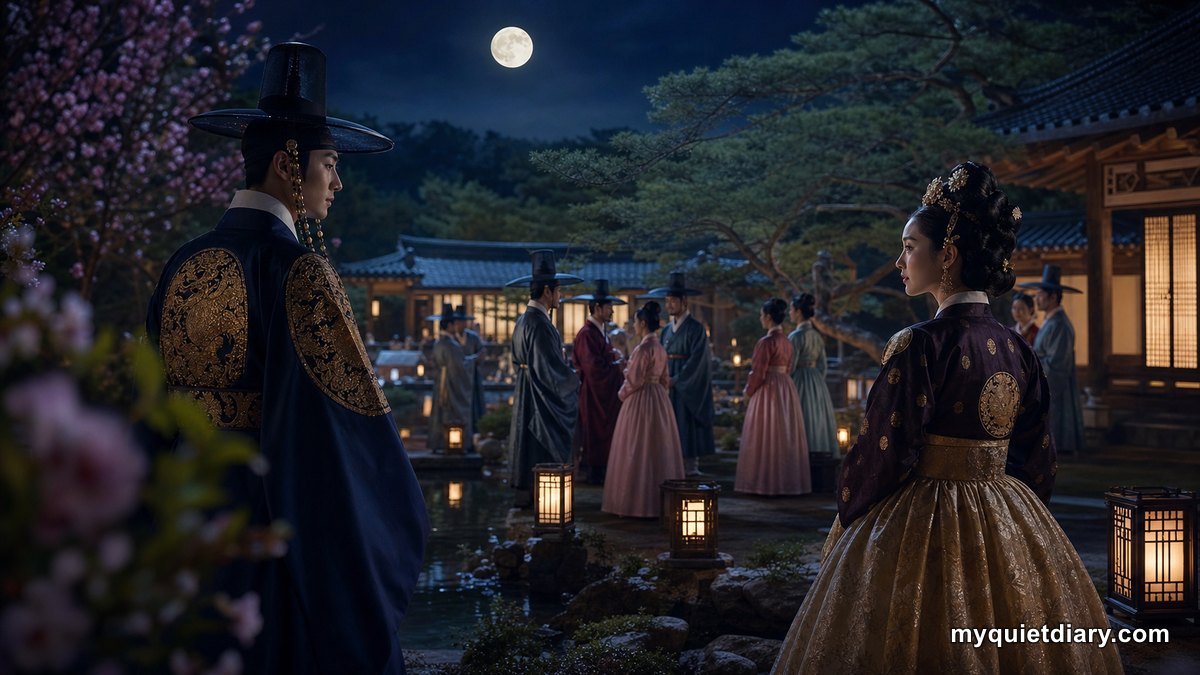
Lady Cho and the Cost of Female Intelligence
The most revealing phrase in Netflix’s announcement may be its description of Lady Cho: talented and charming, yet constrained by her gender. That framing makes her intelligence central rather than incidental. It invites us to read manipulation not only as personal cruelty but also as an informal form of power used by someone denied formal authority.
This does not automatically excuse anything Lady Cho may do. It creates a more difficult character question. What happens when a person understands the rules of her society perfectly but has no legitimate path to exercise her abilities? Does she turn other people into pieces on the only board available to her? And does the story grant her the same moral complexity routinely granted to seductive men?
That is the element I find most promising in the published premise. Lady Cho could become memorable if the series allows social injury and personal responsibility to coexist, rather than reducing her to either a glamorous villain or a passive victim. This is an editorial expectation based on the official setup, not a claim about episodes, scenes, or Son Ye-jin’s finished performance.
Desire, Widowhood, and Reputation in a Confucian Order
Netflix introduces Hui-yeon specifically as a widow determined to remain chaste. To a modern viewer, that can sound like an individual romantic decision. Within a Joseon narrative, it also evokes moral reputation, family expectations, and the public regulation of women’s private lives.
That makes Hui-yeon’s position especially precarious. The central tension is not merely whether she reciprocates someone’s attraction. It is who has permission to express desire, whose reputation can be destroyed most easily, and why apparently similar behavior carries unequal costs for men and women.
The word “Confucian” can become a lazy shortcut in English-language writing about Korea, so it needs care. It should not mean that every Joseon person thought identically or that social rules never changed. Here, it refers more narrowly to the family-centered moral order that historical stories often use to define duties, hierarchy, and respectable conduct. The drama’s value will depend on how specifically it dramatizes those pressures.
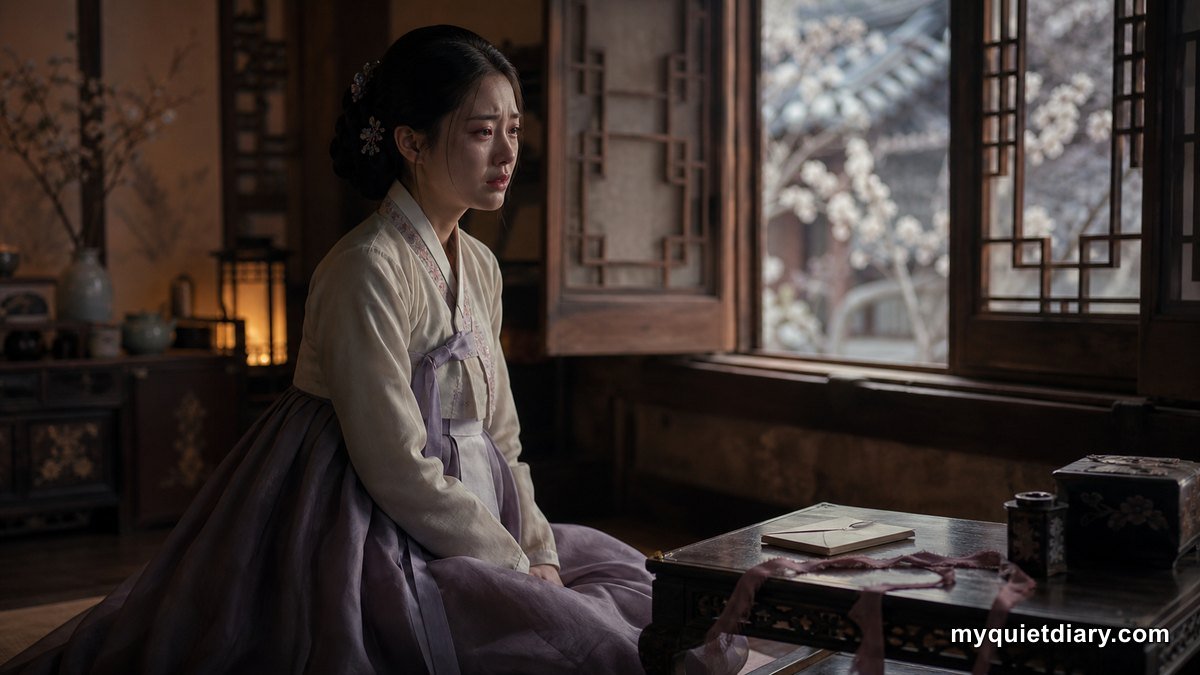
What the Cast Reveals About the New Version
The casting of Son Ye-jin, Ji Chang-wook, and NANA signals that all three corners of the relationship are intended to command attention. Netflix’s character descriptions also give each a separate social position: Lady Cho possesses brilliance without sanctioned power, Cho Won has the freedom and reputation of a celebrated lover, and Hui-yeon carries a moral promise that makes her vulnerable to public judgment.
That is as far as the evidence currently takes us. It would be premature to praise the actors’ chemistry, describe a standout scene, or predict which character the adaptation will ultimately favor. Promotional photographs establish tone, not dramatic success.
What can be said is that the three roles embody different kinds of risk. Cho Won can potentially treat the game as entertainment. Lady Cho may be using the game as a substitute for authority. Hui-yeon may be forced to bear the greatest reputational cost without having chosen the game at all. That unequal distribution of risk is more compelling than a simple love triangle.
Release Status and What Remains Unconfirmed
The Scandal is officially a Netflix title identified as a 2026 series. Its exact premiere date, total number of episodes, and episode length were not displayed on the official title page when this article was verified on August 1, 2026.
Readers may encounter reports assigning it to a particular quarter or date. Release plans can move, and an unsourced calendar should not be treated as equivalent to a Netflix date announcement. The safest approach is to add the show to Netflix’s reminder list and check the official title page.
The generic English title can also create confusion. There is a separate 2013 Korean television drama commonly known in English as Scandal. Adding “Netflix,” “Son Ye-jin,” or “Joseon” to a search helps distinguish the new adaptation.
Why This Adaptation Could Travel Globally
The durable appeal of Dangerous Liaisons is not tied to one country. Audiences recognize people who convert affection into competition, use reputation as currency, and force others to pay unequal prices for desire. Those mechanisms remain legible even when the clothes, etiquette, and social institutions change.
But visual novelty alone will not make this adaptation meaningful. The series needs Joseon’s class and gender rules to alter the decisions available to each character. If the historical setting changes who can speak, refuse, recover, or be believed, then the familiar classic can become dangerous again.
That is why The Scandal is worth approaching as an adaptation rather than merely another costume romance. Its central opportunity is to show that translating a story across cultures is not a matter of replacing a French salon with a Korean palace. It is a matter of rebuilding the social machinery that makes every seduction consequential.

Sources
- Netflix: Scandals production announcement — verified August 1, 2026
- Netflix official title page: The Scandal — verified August 1, 2026